Effects Pigments

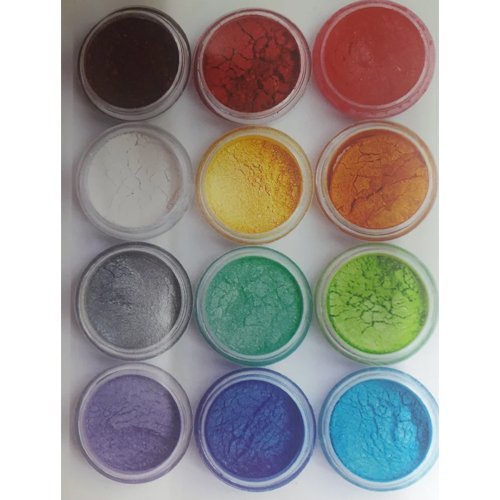
Effect pigments use layered, platelet-shaped structures to create visual effects like pearlescence, metallic shine, and iridescence through light reflection and refraction. Key notes include their varied substrates (mica, alumina, silica), the crucial role of particle size (larger particles create sparkle, smaller ones create shimmer), and how their properties and final effect can be fine-tuned through coatings, layering, and the use of different base materials. Formulation requires careful consideration of pigment distribution, with rheology additives being important for achieving proper orientation in coatings. 

  • Light Interaction: Unlike standard pigments which primarily use light absorption to produce color, effect pigments manipulate light through physical phenomena like reflection, multiple reflection, and optical interference.
  • Particle Shape: They typically have a thin, flat, platelet-like shape (high aspect ratio) that facilitates parallel alignment within the application medium (e.g., paint, plastic, ink).
  • Composition: They are often made of materials like metal flakes (commonly aluminum), or transparent substrates (like mica, glass, or synthetic alternatives) coated with high-refractive-index metal oxides (such as titanium dioxide or iron oxides).

Our Products

We are a professionally managed firm committed to customer’s satisfaction with constant quality and integrated services.

Contact Image

Get In Touch

Staying connected through regular communication strengthens relationships and fosters a sense of community.

Our Associates

We are a professionally managed firm committed to customer’s satisfaction with constant quality and integrated services.